
Caregiving & Senior Safety
Keeping Them Safe: Subtle Safety Nets for Your Elderly Relatives
The DTP Team · 7 Aug 2026 · 7 min read
Caregiving & Senior Safety
 The DTP Team · 11 September 2026 · 9 min read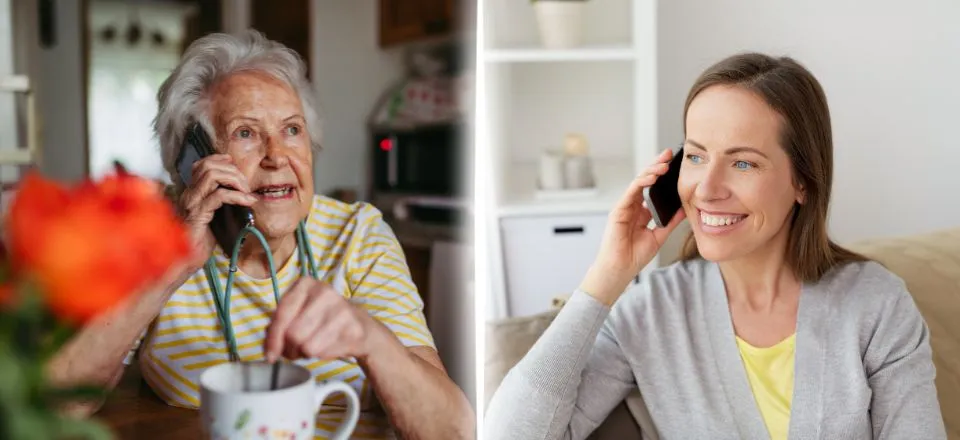
Living hours away from ageing parents is a reality for millions of families today. Career commitments, marriages, and housing costs mean adult children frequently settle in different towns, cities, or even countries from where they grew up. While modern transport and video calls make the world feel smaller, distance takes on a very different weight as your parents grow older. You find yourself thinking about them constantly during the working day, wondering if your mother made it home safely from her weekly grocery trip in bad weather, or if your father managed his regular morning walk without feeling dizzy. When you cannot simply pop round with a cup of tea or check in with a quick knock on the front door, everyday caregiving requires a delicate balance of practical support and emotional sensitivity. Finding a way to watch out for their wellbeing without undermining their hard-earned independence is essential, and using a long-distance caregiving location app provides a quiet, reliable bridge that keeps families connected across hundreds of miles.
Caring for ageing parents from afar brings a distinct kind of emotional pressure. When you live locally, staying informed about your parents’ daily health happens naturally through casual visits, running shared errands, and catching subtle visual cues in person. You notice if the garden path is getting slippery, if the car has a new scratch, or if someone is moving a little more slowly than usual.
When distance separates you, that continuous, reassuring context disappears. In its place, long-distance carers often experience a persistent undercurrent of anxiety that sits in the back of their minds. You worry that you are missing gradual declines in physical stamina, or that a minor domestic mishap will go unnoticed until it turns into a serious medical emergency.
This anxiety often leads adult children to institute rigid check-in routines. You might agree to call every morning at nine o’clock or send messages after every outing. However, what begins as an act of loving concern can easily transform into a source of friction.
For older parents, having to report their movements multiple times a day can feel restrictive and infantilising. They have spent decades leading autonomous, productive lives and managing their own households. When check-in calls feel like mandatory attendance registers, parents may become defensive, downplaying minor difficulties or avoiding phone calls entirely just to protect their sense of privacy.
The biggest problem with relying solely on phone calls for long-distance safety is what happens when a call goes unanswered.
Your mind immediately races to the worst-case scenario. Did they fall down the stairs? Have they collapsed in the garden? In reality, the explanation is almost always completely harmless. The phone was simply left on silent on the bedside table, your mother was busy hanging out the washing, or your father stepped out to chat with a neighbour over the fence.
By the time someone finally answers the phone an hour later, you are thoroughly rattled, while your parent feels unfairly cross-examined about why they didn’t pick up immediately. These false alarms drain emotional energy and strain family relationships over time.
Replacing manual check-in demands with passive location sync removes this entire cycle of stress. Instead of requiring your parents to remember to ring you every time they step through the front door, technology handles reassurance quietly in the background.
At Device Tracker Plus, our work is guided by two simple ideas: Connection, Not Control and Safety Without Surveillance. Location sharing within a caregiving family should never feel like an overbearing security audit. When set up transparently and built on mutual trust, it becomes an invisible safety net that gives adult children peace of mind while leaving parents completely free to enjoy their daily routines.
One of the most practical tools for long-distance caregiving is automated place alerts. By designating virtual safety boundaries around frequent, important destinations—such as your parent’s home address, the local medical centre, the community hall, or the local high street—you create a self-managing safety system.
When your parent leaves home for their morning appointment, the safety suite registers the movement automatically. When they arrive at the medical surgery or return to their living room, a quiet notification appears on your phone screen.
Imagine being in the middle of a busy workday meeting two hundred miles away. Instead of interrupting your schedule to make an anxious phone call, you see a gentle notification confirming your father has arrived home safely from his afternoon pharmacy visit. You receive immediate reassurance without disturbing his afternoon, and without having to ask him to stop what he is doing to send a text.
Safe zone notifications also help long-distance carers notice unusual deviations before they escalate into emergencies. If an automated alert indicates that a parent departed from the supermarket two hours ago but has not yet arrived home along a route that normally takes fifteen minutes, you have early visibility that something might be amiss, allowing you to check in calmly and offer assistance.
Long-distance caregiving is rarely a solo endeavour. In many families, multiple siblings, adult grandchildren, or extended relatives share responsibility for looking after an ageing loved one. However, when relatives are spread across different towns and working different hours, coordinating care can quickly become chaotic.
Without a centralised safety tool, family group chats often get bogged down in repetitive logistical messages. Siblings end up asking “Has anyone spoken to Mum today?” or “Did Dad get back from his hospital check-up?”, leading to duplicated effort or, worse, assumptions that someone else has already checked in.
A shared family safety suite simplifies communication across the entire support network. Device Tracker Plus allows families to link up to 5 devices under a single household account across both iOS and Android platforms. This universal setup ensures that every sibling—regardless of what make or model of smartphone they use—can access the same shared map.
When everyone has access to real-time location updates and arrival notifications, family members stay naturally informed. A sister living three hours away can see that a local brother has arrived to help with grocery shopping, while another sibling working overseas can verify that their parent has returned safely from an evening social club, keeping the entire family aligned without stress.
Gradual physical decline is often difficult to recognise over brief weekend visits or weekly telephone conversations. Older adults naturally adapt to minor physical changes, often compensating for fatigue or joint pain without realising how much their habits have shifted.
A 30-day journey timeline provides objective, gentle insight into daily patterns over time. By looking at historical movement logs, long-distance carers can observe whether daily walking routes are growing noticeably shorter, whether errands are taking twice as long as they used to, or if regular outings to favourite social spots are quietly stopping altogether.
Noticing these subtle patterns early allows families to offer practical help before a fall or injury occurs. If you notice your mother is avoiding her usual morning walk to the shops, you can open a gentle, caring dialogue.
Rather than saying “You can’t walk to the shops anymore,” you can offer constructive solutions: “I noticed the walk up the hill seems a bit tiring lately; shall we arrange for a grocery delivery service during the week, or look at a lighter walking frame to make the journey easier?” Having clear context allows families to have respectful, supportive conversations that preserve dignity.
Even with steady routines in place, unexpected incidents can happen. An older person might suffer a sudden fall in a quiet park, feel disoriented during an unfamiliar detour, or experience sudden chest pain while out walking alone.
Preparing for emergencies beforehand gives both generations immense confidence. The Device Tracker Plus companion app features an integrated, one-tap SOS panic button. If an ageing parent encounters distress or feels unsafe, pressing the button broadcasts their live geographical coordinates directly to connected family members instantly. Long-distance carers can immediately coordinate local emergency services or contact a nearby neighbour to provide on-the-scene help.
Everyday mishaps with smartphones are also common among older adults. Phones frequently slip between sofa cushions, get left behind on retail counters, or fall out of coat pockets on park benches. For an older person living alone, mislaying their primary lifeline can cause severe distress.
Device Tracker Plus offers a dual-tool architecture designed to handle both ongoing daily connection and sudden misplaced handset emergencies:
The Quick Web Search feature includes an emergency setting that lets you add a backup family phone number directly into the lookup text message. If a shop assistant or neighbour finds your parent’s misplaced phone, they can call your backup number straight away to arrange its safe return, allowing you to resolve the problem smoothly from miles away.
Relying on technology to support the people who raised you requires absolute confidence in the software you choose. Families need a platform backed by stable, proven infrastructure that delivers reliable location updates day in and day out, without technical hurdles or unexpected service drops.
Device Tracker Plus was founded in 2016. Over a solid decade of focused engineering and development, our safety platform has grown to support families in staying closely connected across every stage of life.
We also believe that looking after the people you love should never compromise their personal digital security. We will never sell your data. Your family’s private movement histories, safe zone logs, and personal account details remain protected by end-to-end encryption, reserved strictly for you and your family circle.
Physical distance will always be a challenge when caring for ageing parents, but it does not have to leave you feeling helpless or detached. By using gentle background location sync, automated place alerts, and shared family timelines, Device Tracker Plus helps you provide continuous, compassionate support across the miles—giving your parents the freedom to live independently and giving you the peace of mind you need every single day.
It provides passive background location sync and automated elderly parent is following their normal routine or has returned safely from errands without needing to make intrusive check-in calls.
When set up with mutual consent and used alongside automated safe zone notifications, location sharing operates quietly in the background. It avoids constant phone calls and preserves independence while providing essential safety reassurance.
Yes, the Device Tracker Plus Mobile Safety Suite companion app allows up to 5 family devices across iOS and Android to link under a single household account, making it easy for siblings and carers to coordinate.

Device Tracker Plus
We build Device Tracker Plus, a location-sharing app for families, couples and carers who want to stay connected without compromising on privacy. This blog is written by the same team that builds and supports the app.
The DTP Team · 7 Aug 2026 · 7 min read
The DTP Team · 6 Jul 2026 · 6 min read
Connection, not surveillance. Share your location with the people who matter — never with anyone else.
We never sell your personal data.